OPEN NOW!
Contact your CVRC Service Coordinator to use Social Recreation funding.
How Sensory Play Builds Confidence, Focus, and Coordination
May 28,2026

Children learn best when they can move, explore, and interact with the world around them. Sensory play gives children opportunities to engage their senses while building important developmental skills that support everyday life.
Activities involving movement, balance, touch, sound, and problem-solving help children improve their ability to focus, develop better coordination, and gain confidence in their abilities. These experiences are especially valuable for children who benefit from sensory-friendly environments that encourage learning through play.
At We Rock the Spectrum Kid’s Gym, children can safely explore sensory activities designed to support growth, independence, and social development in an inclusive environment.
Below are 8 ways sensory play helps children build confidence, focus, and coordination.
1. Builds Confidence Through Independent Play
Encouraging children to try new activities
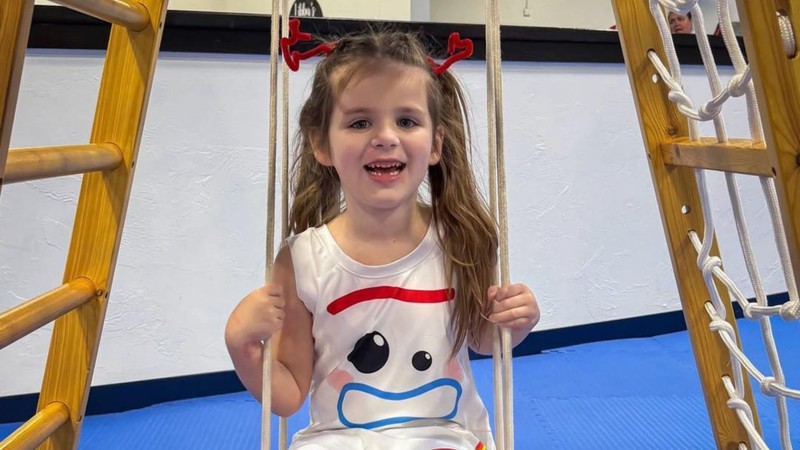
Sensory play allows children to explore at their own pace. Whether climbing, swinging, balancing, or navigating obstacle courses, children learn that they can try new things independently.
Completing simple challenges helps children feel proud of their progress and encourages them to continue exploring.
Key benefits
- Increased self-confidence
- Greater independence
- Willingness to try new activities
- Positive self-esteem
Over time, children become more comfortable stepping outside their comfort zones.
2. Improves Focus and Attention
Helping children stay engaged
Movement-based sensory activities help children regulate their energy levels and improve concentration. Activities that require coordination and repetition help children focus on the task at hand.
Sensory play can also help reduce distractions by giving children healthy ways to process sensory input.
Key benefits
- Longer attention span
- Better concentration
- Improved listening skills
- Increased task engagement
These improvements often support learning at home and in school settings.
3. Enhances Coordination and Motor Skills
Developing better body control
Activities such as climbing, jumping, crawling, and swinging help children understand how their bodies move. These experiences strengthen both gross motor and fine motor skills while improving balance and coordination.
Children learn how to control movements more effectively through repeated physical activity.
Key benefits
- Better balance and coordination
- Improved motor planning
- Increased body awareness
- Stronger physical confidence
These skills are important for everyday activities such as writing, sports, and self-care.
4. Encourages Problem-Solving Skills
Learning through exploration
Sensory play often involves challenges that encourage children to think creatively and make decisions. Navigating an obstacle course or figuring out how to complete an activity helps strengthen problem-solving abilities.
Children also learn how to adapt when things do not go exactly as planned.
Key benefits
- Stronger critical thinking
- Improved decision-making
- Greater adaptability
- Increased curiosity
Problem-solving through play helps children build resilience and confidence.
5. Supports Emotional Regulation
Creating calming sensory experiences
Many sensory activities help children feel calmer and more regulated. Swinging, deep-pressure activities, and repetitive movements can help children manage stress and overwhelming emotions.
When children feel emotionally balanced, they are often better able to focus and interact positively with others.
Key benefits
- Reduced stress and anxiety
- Better emotional control
- Improved self-regulation
- Calming sensory input
Sensory play provides children with healthy tools to naturally manage emotions.
6. Encourages Social Interaction
Building confidence around others
Group sensory activities help children practice communication, cooperation, and teamwork. Playing alongside other children encourages social development in a low-pressure environment.
Children often feel more comfortable interacting when activities are playful and engaging.
Key benefits
- Improved communication skills
- Better social confidence
- Increased cooperation
- Stronger peer interaction
Positive social experiences can help children feel more connected and included.
7. Strengthens Brain and Body Connection
Supporting whole-child development
Sensory play engages multiple areas of the brain simultaneously. Activities involving movement, coordination, and touch strengthen neural connections that support both cognitive and physical development.
This helps children process information more effectively while improving coordination and focus.
Key benefits
- Improved learning ability
- Better information processing
- Stronger memory retention
- Enhanced cognitive flexibility
The more children engage in meaningful sensory experiences, the more these connections continue to grow.
8. Creates Positive Learning Experiences
Making development feel fun
Children learn best when they feel safe, supported, and engaged. Sensory play transforms learning into an enjoyable, pressure-free exploration.
When children associate movement and learning with positive experiences, they become more motivated to participate and grow.
Key benefits
- Increased enthusiasm for learning
- Better participation in activities
- Stronger emotional confidence
- More positive behavior patterns
Play-based learning helps children develop important life skills naturally.
Why Sensory Gyms Help Children Thrive
Safe environments designed for growth
Sensory gyms provide children with opportunities to explore movement and sensory activities in a supportive setting. These environments are carefully designed to encourage confidence, coordination, focus, and social development.
At We Rock the Spectrum Kid’s Gym – Clovis, children of all abilities can engage in activities that support healthy development while having fun in an inclusive space.
What sensory gyms offer
- Inclusive play environments
- Specialized sensory equipment
- Opportunities for active learning
- Activities that encourage independence
- Safe spaces for social interaction
These experiences help children strengthen important developmental skills and build confidence.
Final Thoughts
Sensory play is about much more than entertainment. It helps children build confidence, improve focus, strengthen coordination, and develop essential cognitive and emotional skills.
Through movement, exploration, and hands-on experiences, children gain valuable tools that support both learning and everyday life.
Inclusive sensory environments allow children to explore at their own pace while developing important skills in a safe and encouraging setting.
At We Rock the Spectrum Kid’s Gym, sensory play helps children of all abilities grow, learn, and thrive through meaningful play experiences.